
The closing of the books is a critical precursor to potential audits, both internal and external. Businesses must ensure that their financial reporting readiness is in order, with all necessary documentation and supporting evidence readily available. Creating a well-defined closing schedule is the first step towards an efficient book closing procedure. This schedule should outline the specific tasks, deadlines, and responsibilities for each member of the accounting team. By having a clear timeline and assigned roles, the team can work collaboratively to complete the necessary steps within the designated timeframe. Engaging in real-time bookkeeping provides several advantages, including up-to-date financial data to support decision-making and help you spot errors early.
Complex reconciliation processes
At the end of the year in the old paper-based accounting system, the journal would be put in a safe and a new journal started (often businesses had so many transactions they had multiple huge journals). Obviously, with our computer data storage systems, we just keep adding journal entries to our digital files. By the same token, the ledgers by the end of the year were full of entries and cumbersome, to http://sportsexpo.com.eg/investment-management-fees-definition-types-what/ say the least, so we closed them, both literally and figuratively. But there are other accounts, like the revenue and expense accounts, that we want to track only for one year.

SOX Software
- A good bookkeeping system will help make dealing with Uncle Sam relatively painless.
- These records are then used to generate reports that can tell a business owner the financial status of their enterprise.
- Errors in this phase, such as incorrect totals or missed entries, can cause discrepancies later in the process.
- The same is true of your cash receipts journal, though this journal tracks the inflow, not the outflow, of funds.
These journal entries zero out the balances of temporary accounts, such as revenue and expense accounts, by transferring their net balances to permanent accounts, typically retained earnings. Moreover, the closing process helps identify discrepancies or errors in accounting data, enabling timely corrections. It also ensures that income and expenses are recognized in the correct period, aligning financial the closing process is sometimes referred to as closing the books. statements with accepted accounting principles. This accuracy ultimately builds trust with investors, lenders, and regulatory bodies. Once all adjusting journal entries are posted, an adjusted trial balance is prepared.
The Basics of Closing the Books: Step-by-Step in 8 Easy Stages
- Reconciling accounts, such as bank accounts or accounts receivable, can also be time-consuming.
- Preventing issues during the closing process starts with good bookkeeping practices throughout the year.
- This helps ensure that your financial reports reflect the true economic activity of your business, even if some expenses or revenues span multiple periods.
- Businesses may encounter compatibility issues, data integration challenges, or software features that fall short of their specific needs.
- Before creating your final report, generate a trial balance, and if things are not adding up, check your work and enter adjusting entries until you are ready to create the final financial statement.
- Closing is a mechanism to update the Retained Earnings account in the ledger to equal the end-of-period balance.
Understanding the trial balance and its role helps business owners grasp how transactions flow through the accounting system and how errors can be detected and resolved before closing the books. Timely closing also allows you to produce consistent and comparable financial reports. By having clear cut-off points for accounting periods, you can track performance trends, compare growth, and analyze profitability over time. This can be invaluable for internal decision-making and external stakeholders such as investors, creditors, or tax authorities. The process begins with verifying that all transactions for the period have been recorded correctly. Errors such as missing invoices or duplicate entries must be corrected to ensure accuracy.

Creating an Adjusted Trial Balance
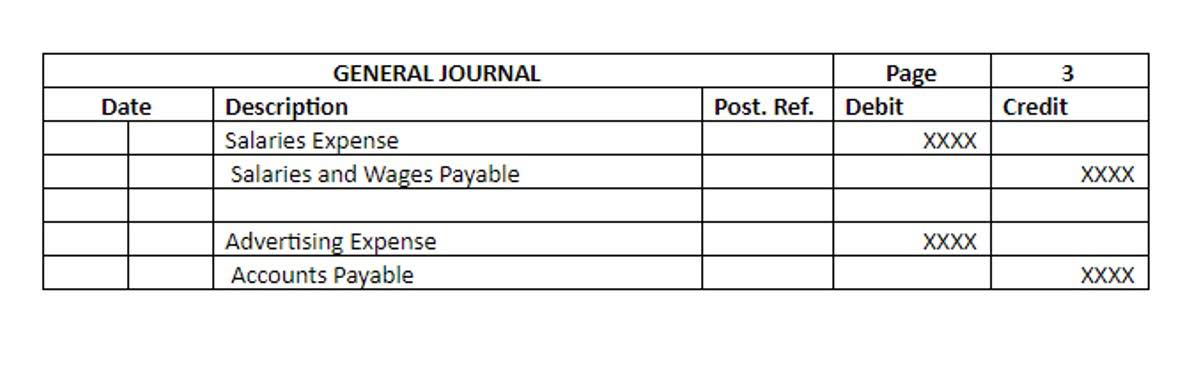
Before any formal closing entries can be made, a thorough review and reconciliation of all financial data must occur. The first step is to confirm that every transaction for the period has been recorded in the accounting system, including all customer invoices, vendor bills, cash receipts, and payments made. Closing the books is more than just a routine accounting task—it is a foundational practice that ensures the integrity of a business’s financial data. Regular closings, whether monthly, quarterly, or annually, provide accurate, up-to-date financial information that supports effective decision-making and regulatory compliance.

If the credits and debits are equal, your accounts balance, and you’re ready to go to the next step. Once all journal entries have been posted to the ledger, the next step is to sum the individual ledger accounts. This means adding all the debit and credit entries recorded under each account to calculate the preliminary balance. For example, all invoices recorded under accounts receivable are totaled to show how much money the business is owed. Accurate posting is crucial because the ledger acts as the master record from which financial statements are generated.
The Importance of Collaboration Between Business Owners and Accountants
- The more accounts your team manages and subsidiaries your company has under its umbrella, the more complex your accounting will become.
- Some accounting software automatically closes your income and expense accounts at year-end before adding your net profit (or loss) to your retained earnings account.
- Financial statements are vital for internal decision-making, tax reporting, and communicating financial health to external stakeholders such as investors and lenders.
- Permanent accounts consist of those on the balance sheet, such as assets, liabilities, and equity.
- You can also learn such things as the states that have approved limited liability companies (LLCs) and limited liability partnerships (LLPs).
- Closing the books is complex and can present several challenges, especially for small businesses without dedicated accounting teams.
This stability is especially important during audits and tax filings, where accuracy and compliance with accounting standards are mandatory. Closing entries ensure that Travel Agency Accounting revenue and expense accounts reflect activity for one period only, maintaining the accuracy and relevance of financial reports. Many businesses use accounting software to streamline this process, but it can also be done manually using bookkeeping ledgers or spreadsheets. Regardless of method, it is important to include all relevant transactions within the closing period to avoid errors.