The fluctuations in blood sugar that accompany drinking can lead to negative moods, which might include anxiety and anger as well as mood instability. Dizziness is a common symptom of the dehydration that comes with a hangover. When you’re dehydrated, your blood pressure drops, which limits blood flow to your brain and causes dizziness. When you drink, your body adjusts to the alcohol in your system in order to maintain a normal 8(ish)-hour cycle of sleep.
How to prevent a hangover
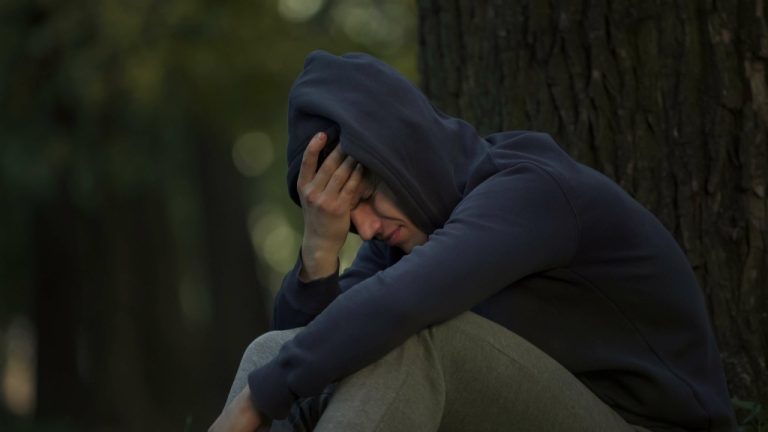
This article will explain what sobriety fatigue is, why you might feel tired and sullen after you quit alcohol and what you can do about it. It’s clear that fatigue after quitting alcohol is common and that there are very specific reasons why the body deals with this tiredness as you get sober. However, that doesn’t mean you just have to endure the extreme fatigue from drinking in the meantime.
Fatigue is one of the primary symptoms of PAWS, primarily due to the extended stress that alcohol withdrawal places on your nervous system. Your body, already exerted, is asked to keep going, stirring up an experience of prolonged, deep-seated fatigue. If you’re a heavy drinker, your body may rebel at first if you cut off all alcohol. You could break out in cold sweats or have a racing pulse, nausea, vomiting, shaky hands, and intense anxiety. Some people even have seizures or see things that aren’t there (hallucinations). Your doctor or substance abuse therapist can offer guidance and may prescribe medication like benzodiazepines or carbamazepine to help you get through it.
Personalized Addiction Care in Atlanta
- If you care enough to google how to drink without getting paralytically drunk, one odd piece of advice dominates search results.
- “Also, as people get older, they become aware of which drinks give them hangovers and avoid them,” he says.
- Your body, already exerted, is asked to keep going, stirring up an experience of prolonged, deep-seated fatigue.
- Serious alcohol misuse can decrease your lifespan by as much as 28 years compared to those who don’t drink.
- Someone who goes to the bar with a friend and has one too many drinks can also experience lethargy the next day.
The human body is remarkable and capable of amazing adaptation, healing and transformation. But healing takes time and an alcohol use disorder can play havoc with your physiology. It’s important to be patient with yourself (or someone else) in early recovery.
Charitable Care & Financial Assistance
While alcohol use can directly trigger feelings of depression, it can also contribute to symptoms in more indirect ways. It’s not uncommon to use alcohol to cope with difficult feelings and experiences. If it’s winter, you may notice fewer colds than in the past, but in warmer months, the changes may be more subtle, but that doesn’t mean they aren’t there. “Giving your body six months of water absorption will improve your digestion and constipation,” says Dr. Mosquera. Regular drinking raises estrogen levels and reduces testosterone. For men, this can look like lowered libido and erectile dysfunction, as well as decreased muscle mass.
How to Sleep Better After Drinking
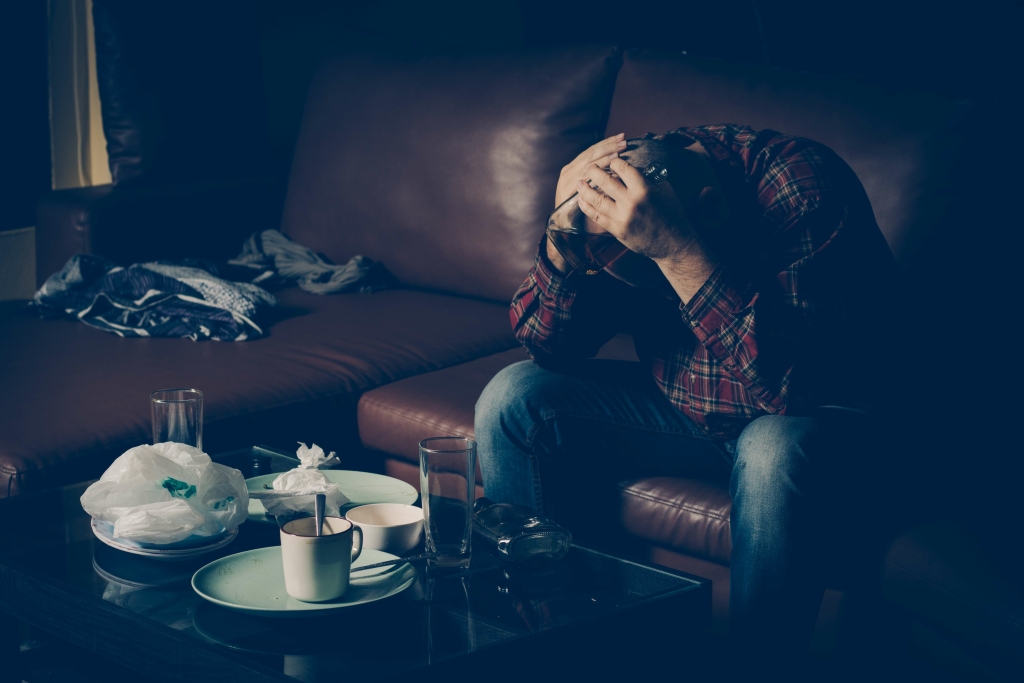
These serious mental and physical symptoms usually show up 2 to 4 hours after your Drug rehabilitation last drink. People with alcohol use disorder who quit drinking often have trouble sleeping. Cognitive behavioral therapy for insomnia (CBTi), medication, or a referral to a behavioral sleep specialist can help. Stopping drinking could make your life feel brighter in all kinds of ways, as well as helping your long-term health.
At Serenity how to quit drinking Light Recovery, we understand how discouraging it can be to feel so drained when you’re trying to rebuild your life. We’re here to offer compassionate, individualized support, guiding you through every step of this challenging yet transformative journey. You don’t have to face this alone; there is hope, and there is help.
Drinking water may not have a direct impact on feelings of depression, but rehydrating can absolutely help you start feeling better physically. As hangover symptoms begin to subside, the emotional effects may follow. Alcohol disrupts your natural sleep cycles, especially the deep, restful sleep you need to feel refreshed. When you quit, your brain works to establish healthy sleep patterns, which can lead to https://mytrip-to-india.com/so-you-re-trying-to-stay-sober-without-aa/ periods of insomnia or restless sleep, contributing to overall tiredness. This is part of the brain rewiring process, as your brain adjusts to a new normal without alcohol.
Blood sugar spikes and crashes
Adults who met criteria for alcohol use disorders also had a higher risk for depression. Quitting alcohol can expose underlying anxieties and stresses that were previously masked by drinking. It is important to practice stress-management techniques such as meditation, yoga, or deep breathing to help your body relax and find balance. Exercise is also a natural energy booster, so consider starting with gentle walks in nature and gradually increasing the intensity as your energy returns. If you’re considering a break from alcohol, it might also be helpful to think about why you drink. “Maybe it’s relief from your worries or connection with friends.
Sunset Alcohol Flush Support is designed to remove the toxic byproducts from alcohol in those with Asian Flush, or alcohol flush syndrome. However, these byproducts can impact sleep, too, just like alcohol consumption. It’s hard to sleep when you feel terrible from such a negative reaction to alcohol. As you continue to sleep in the deep sleep stage, you will spend more time in this stage and less time in Rapid Eye Movement (REM) stage of sleep, which is much more restful.